Your feet
explain
everything.
We translate. Biomechanics specialists who read every pronation fault, metatarsal overload, and compensatory chain — from arch to hip to lower back.

MSc Podiatric Biomechanics · HCPC Registered
Dr. Siobhán Brennan
Most runners don't overpronate — they compensate for a weak glute med by rotating the tibia inward, which loads the medial arch. The foot is innocent. We just see the evidence there first.
Counterintuitive insight: The injury site rarely equals the fault origin.

BSc(Hons) Podiatry · Orthotic Fabrication Specialist
James Okafor
A generic insole corrects position. A custom orthotic changes how force is absorbed and redirected through your entire kinetic chain — the difference between managing symptoms and resolving them.
Counterintuitive insight: Stiffer orthotics aren't always more corrective.

PhD Sports Rehabilitation · Post-Surgical Specialist
Dr. Priya Nambiar
The six-week clearance from surgery doesn't mean your movement patterns are restored. We use force plate data to find the compensatory strategies your brain developed during recovery — and retrain them before they become permanent.
Counterintuitive insight: Cleared for sport ≠ biomechanically ready.
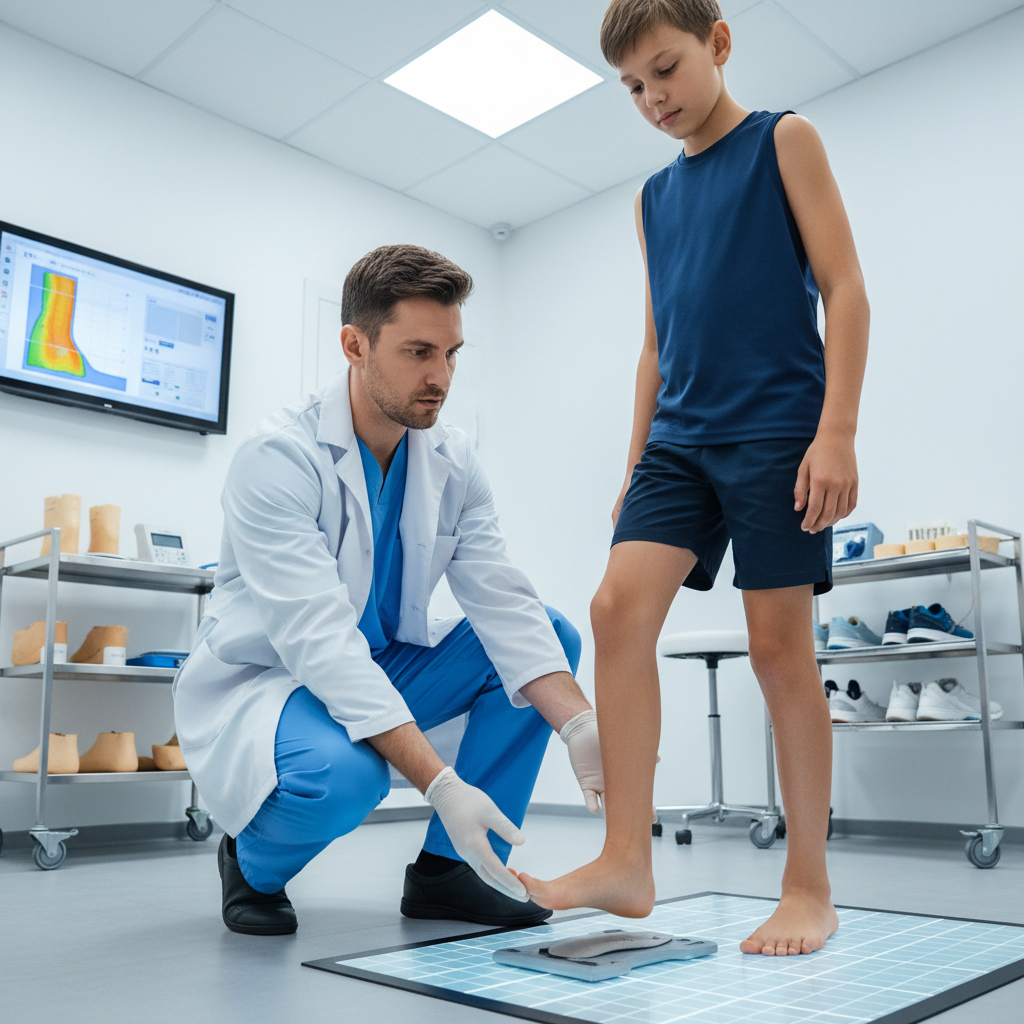
MSc Paediatric Podiatry · Developmental Biomechanics
Tom Whitfield
Teenage knee pain is rarely a knee problem. The growth plate in the distal femur changes how force is absorbed during rapid height gains — and the foot is where that change becomes visible first. Early intervention prevents a decade of compensated movement.
Counterintuitive insight: Growing pains often have a mechanical cause.
The conditions we
diagnose, not just manage
Runners
- Plantar fasciitis
- Shin splints
- Stress fractures
- IT band syndrome
- Metatarsalgia
Field Sport Athletes
- Ankle instability
- Turf toe
- Peroneal tendinopathy
- Sesamoiditis
Young Athletes
- Sever's disease
- Osgood-Schlatter
- Juvenile flat foot
- Growing pains
Chronic Pain
- Lower back pain
- Hip impingement
- Knee osteoarthritis
- Unexplained leg fatigue
Every assessment begins with a pressure-plate gait analysis — because the foot doesn't lie. What we find in the first 20 minutes often explains years of recurring problems.
What brings you in?
Choose the closest match. We'll route you to the right specialist — not the next available slot.
Injury Recovery
Something that keeps coming back
Recurring plantar fasciitis, persistent ankle sprains, or a stress fracture that won't fully heal. We find the mechanical reason it keeps returning.
Matched specialists:
Performance Optimisation
Good enough isn't good enough
You're training well but your times have plateaued. Gait efficiency analysis and orthotic tuning to remove the mechanical drag from your stride.
Matched specialists:
Chronic Pain Investigation
Pain with no clear explanation
Hip, knee, or lower back pain that physio improves but never resolves. We trace the kinetic chain back to the foot to find what's been missed.
Matched specialists:
No forms. No waiting room roulette. Your first appointment includes a full pressure-plate gait analysis.
What they found
beneath the surface
"I'd been told my plantar fasciitis was "just something runners get." Siobhán showed me on the pressure map exactly where the load was going — and why. Six weeks later I ran my first pain-free long run in two years."
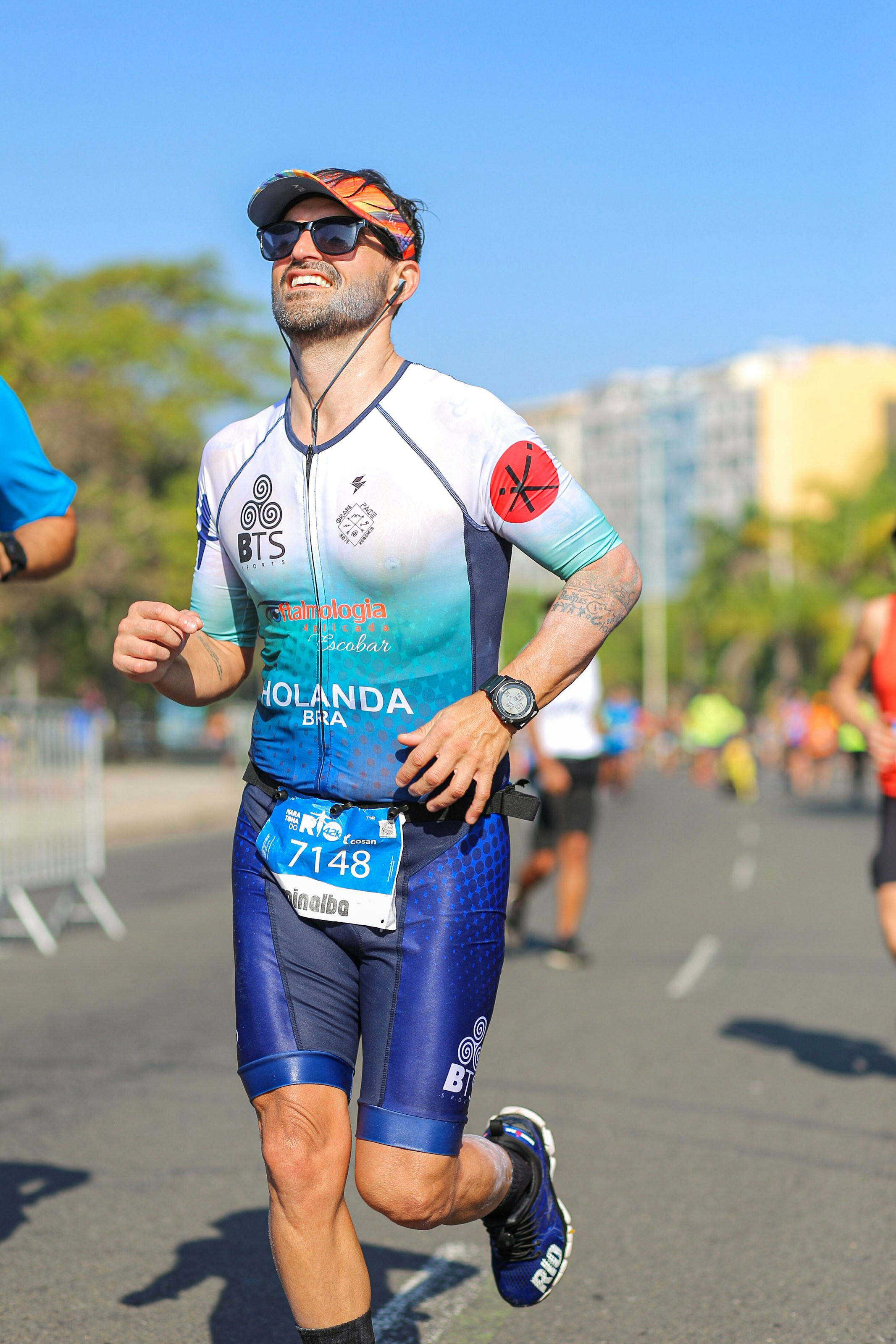
Callum Mackenzie
Marathon runner · Edinburgh
"My daughter had knee pain for eight months. Three physios, no resolution. Tom spotted a developmental gait asymmetry in the first appointment. The orthotics arrived two weeks later and she's been back training since."

Fiona Adeyemi
Parent of teenage footballer · Manchester
"Post-ACL, I was cleared to play but felt completely off my left side. Priya ran me through the force plate protocol and found I'd developed a 23% load asymmetry. That data changed everything about my return."
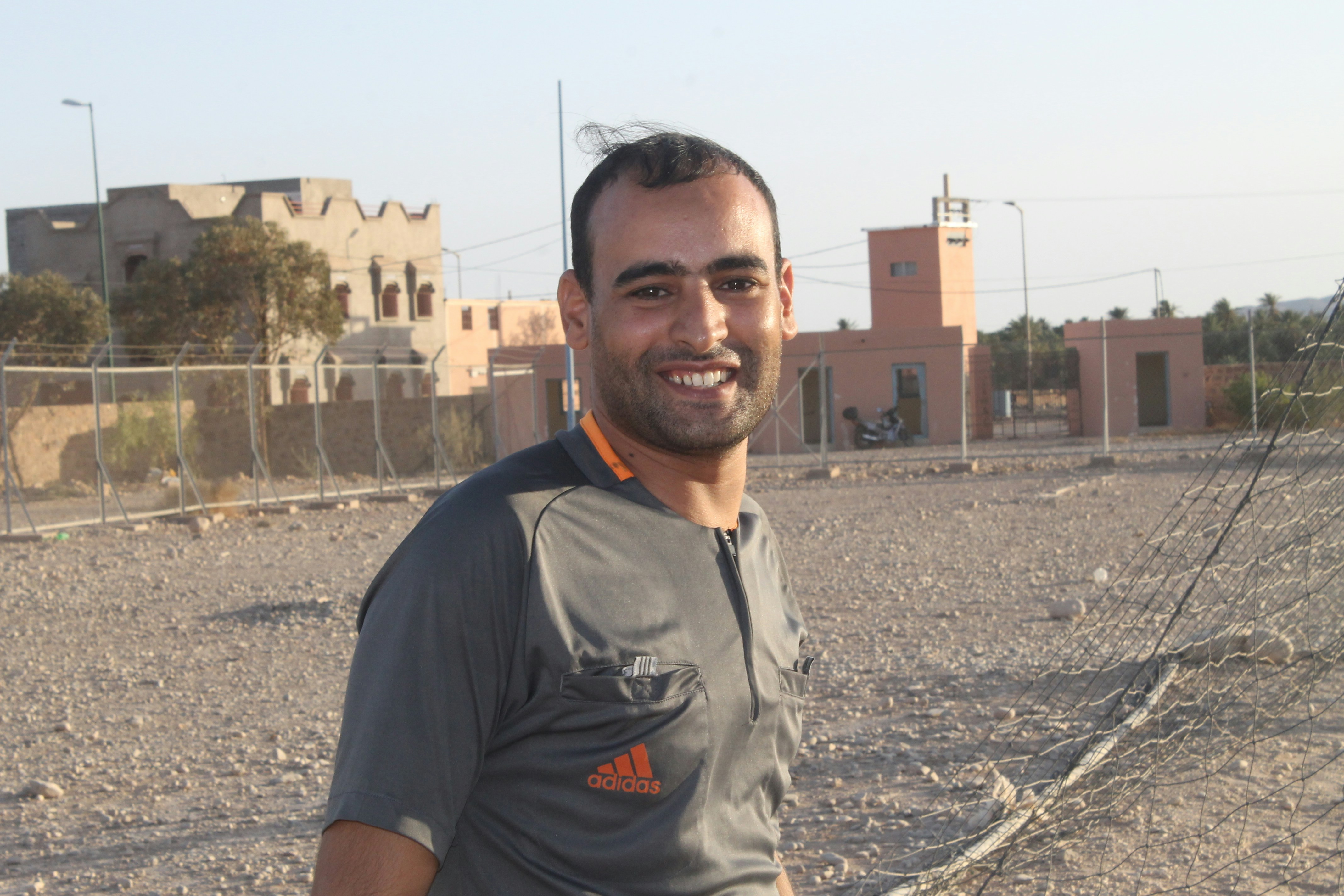
Darius Kowalski
Semi-professional footballer · Bristol
"I run ultras. James built me orthotics around my actual race shoe stack height and foot morphology under fatigue load — not just standing still. First 50-miler without a blister or hot spot."

Niamh O'Sullivan
Ultra-distance runner · Dublin
"Chronic ankle instability that three different sports physios called "proprioception deficit." James found the subtalar alignment issue in the first gait analysis. Simple fix, massive difference."

Marcus Osei
Weekend rugby player · Leeds